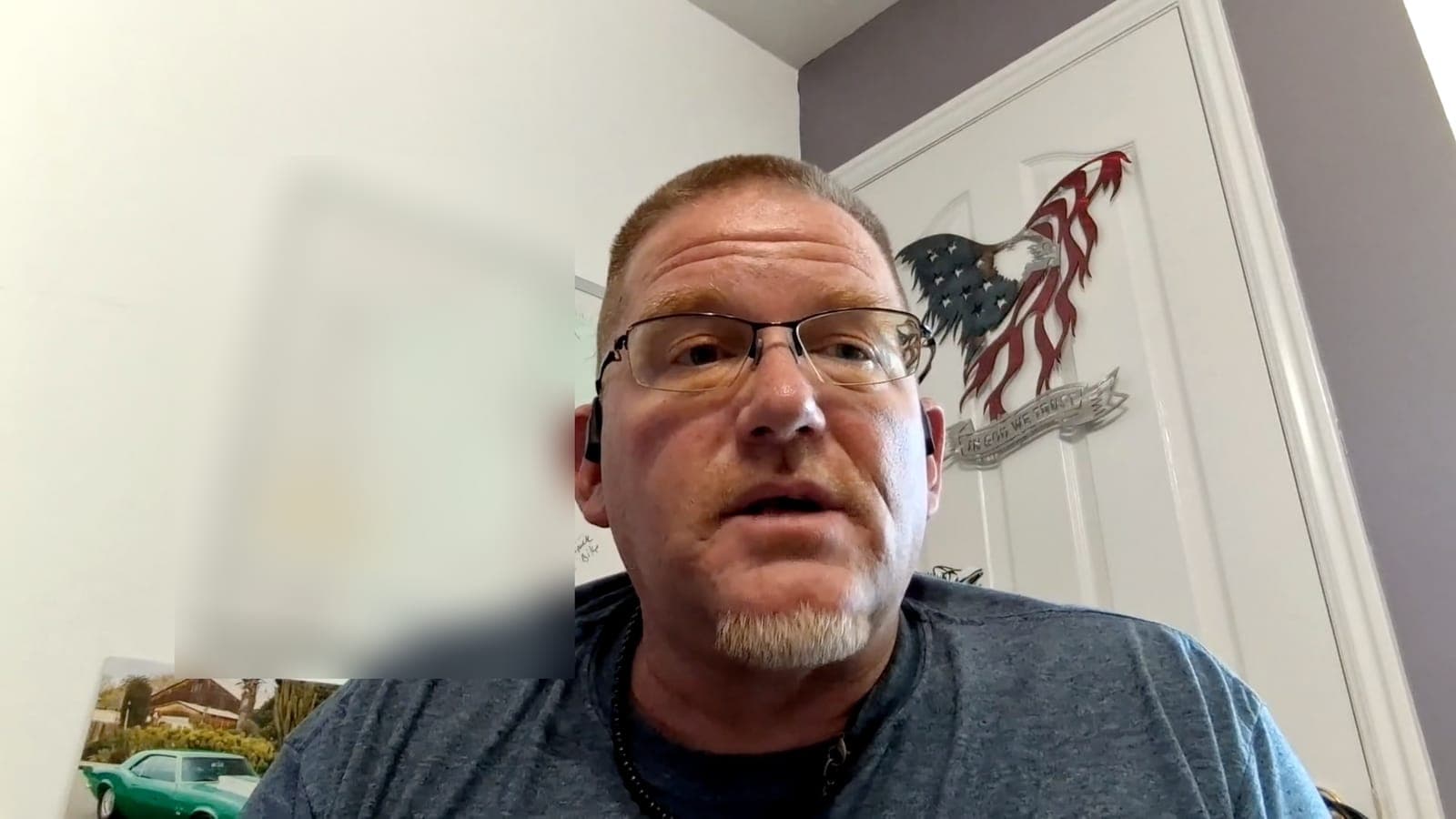
Case study · Steve, Real estate investor, former landscape architect
Steve learned the hard way why the stop loss stays where the plan puts it
Steve left corporate landscape architecture for real estate, then got burned by an options course and an Amazon automation program. He joined Crypto Renegades for the straight talk, took a hard loss when he pulled his stop losses too far away, and rebuilt his process around defined risk.
Where he started
Steve studied landscape architecture at Purdue and worked for years as a licensed landscape architect. About a decade ago he started buying rental houses as his way out of corporate life. With most of them now nearly paid off, the rental income gave him the time to look at other ideas, and crypto was one of them.
What did not work
Before he found us, he took an options trading course and followed every recommendation on its group calls. More often than not the positions lost, and in his words he "just got beat up on that." He then put money into an Amazon store automation program that he says ended in a federal investigation and a lawsuit. His takeaway was to become more skeptical, and to look harder at who he trusts.
Why he joined
He found us through a short video and joined a webinar. What stood out was how Chad explained things, without hype. As a real estate investor he already thought in terms of leverage and cash flow, so the way the founders framed risk made sense to him.
The lesson that cost him
On October 10, 2025, the market fell sharply on tariff news. Steve had about 19 positions open across several altcoins, and he had moved his stop losses away so they would not get hit. He froze in front of the screen and lost $20,000 in his own account and another $20,000 in an account he ran for his son. He is candid that the rules were there and he was not following them.
What changed
He keeps his stop losses where the plan puts them. He narrowed his focus to Bitcoin and XRP, each in its own sub-account, instead of spreading across many altcoins. He is working on taking profit earlier rather than watching gains fade, and on re-entering with the same defined risk when a thesis is right but the timing was early. He also reads chart structure with far more confidence than when he started.
What he values
Compared with the programs he tried before, he says the founders are reachable and straightforward, and that they put real time into their members.